

17 APRIL 2026
Welcome to this week’s edition of Culture Wire, a newsletter brought to you by Singapore-based pop culture and lifestyle marketing agency Culture Group.
In this week’s edition:
- Headline of the Week: The ripple effect of the Culture Wallet
- Fax, No Printer: What does Singapore’s Mandai Wildlife Reserve’s new doctor specialize in?
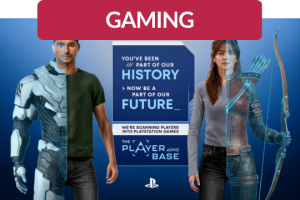
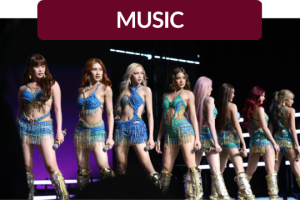
- Before You Leave: Here’s how gamers, girl groups, creators, and feeds are rewriting the culture playbook
Headline of the Week
🫶 FANDOM MEANS BUSINESS
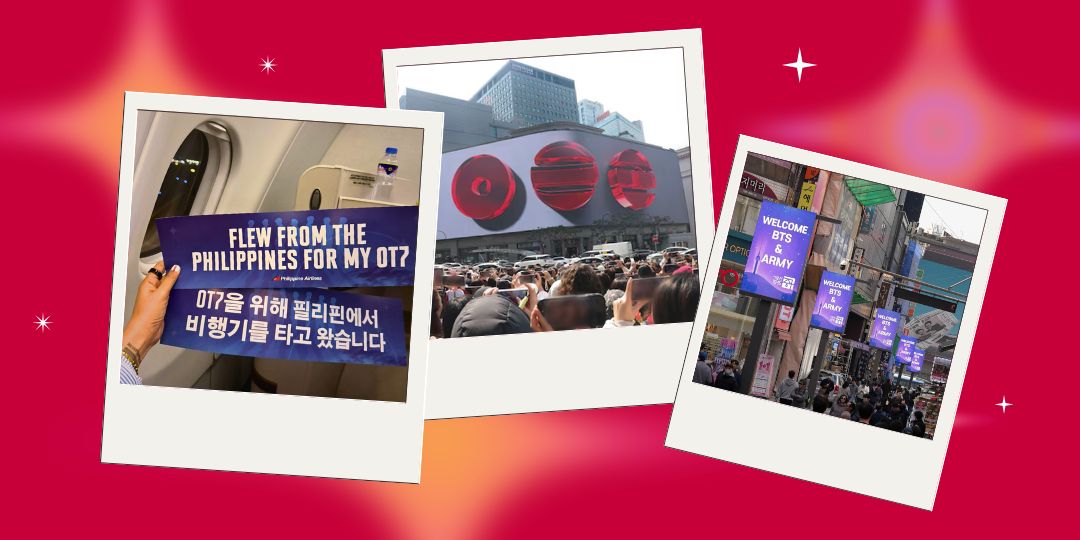
On flights from Manila to Seoul last week, Philippine Airlines offered some euphoria to BTS fans by offering banners to any passenger who could prove ARMY credentials. The thoughtful gesture was a hit on social media, with some calling for other airlines to follow suit. For those that missed out, Incheon International Airport provided consolation in the form of farewell messages on departure boards in the days following BTS’s comeback concert.
That concert – held in Seoul’s Gwanghwamun Square – drew over 75,000 people from Korea and beyond, with 1 in 4 flying in from abroad to witness the event. The largest share of overseas fans came from Thailand, followed by Vietnam. BTS’s return from mandatory military service is, of course, big news for the record label but local Seoul businesses benefitted too: a traditional liquor maker tripled production for a highball brand endorsed by member Jin. Restaurants in Gwanghwamun hired temporary staff who speak Spanish, Uzbek, Burmese, and Japanese. And BTS-themed tours are doing brisk business nationwide.
On the surface, these are examples of brands catering to BTS fans. But there’s an underlying shift here and it’s the idea that fandom doesn’t just drive culture. It also drives demand.
OUR TAKE
Long-term readers will know about the concept of the Culture Wallet, and how consumers spend around the passion points that express who they are and where they belong. For BTS fans, that means concert tickets, albums, merch, hotels, themed looks or accessories. Practical and emotional investments that allow them to be part of the moment.
But the Culture Wallet doesn’t stop there. When fan spending scales and concentrates, it results in a second wave of economic activity that ripples far beyond the artist. For example, Asian airlines are adjusting schedules and flight paths in response to K-Pop touring cycles (some carriers are adding temporary flights timed to concert dates).
And according to data from tour sponsor Visa, foreign travel to South Korea surged more than 25% in the week of the concert, with travel spending up around 20% from an average week. (Side-note that Visa’s role goes beyond sponsorship, with the brand giving cardholders direct ticket access and running on-site merch booths across APAC tour stops). The Korea Culture & Tourism Institute estimates that one BTS concert can generate up to ₩1.2 trillion (around US$815 million) across retail, hospitality, staffing and local commerce. These demand spikes should be anticipated in the same way as other major seasonal or event-led surges.
Another thing that makes this moment different is not just the spending, but the structure of fandom itself. In the past, fandom was often dismissed as irrational excess or a closed loop of repeat purchases. Today, it functions more like a live participation network: continuous, global and always-on. Fan-to-fan connection can be just as important as fan-to-artist devotion. The main event — in this case, the concert — is one part of the appeal. The evolving lore matters too, as does collecting proof and mementos that they were there.
For many superfans, cultural devotion is both personal and communal. The real value doesn’t sit only in the concert itself. It comes from everything that’s around it: the travel, the community fans meet, the side-quests, the visible signals of belonging and, of course, the commerce that forms around all of that.
For marketers, the opportunity is more than a one-off partnership or a themed product drop. Recent data from Live Nation found that 97% of fans want brands to play a bigger role in live entertainment and when brands are involved the effects are positive: a 75% uplift in brand consideration, while 80% leave liking the brand more. Fans don’t just tolerate brands’ presence at live events – they are inviting them into the space. And that means that the brands that see success here will be the ones that see past the ‘main event’ and build for everything that fans do around it.
Fax, No Printer*
For those of you born before 1997, ‘fax, no printer‘ is Gen Z speak for ‘undeniable facts I agree with’
There’s a new doctor in town at Singapore’s Mandai Wildlife Reserve – what do they specialize in?
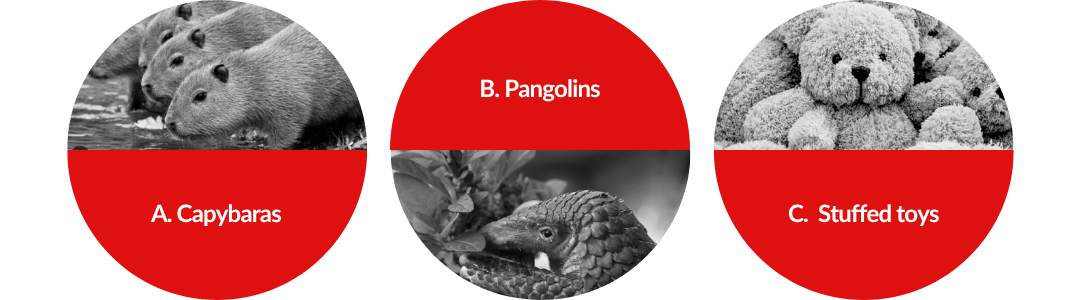
Scroll to the end of the newsletter for the correct answer!
Before You Leave

This Week's Trivia Answer
C. Stuffed Toys
Toy Doctor, a stuffed toy repair and restoration service helmed by husband-and-wife ‘surgeons’, was introduced this year at Mandai Wildlife Reserve as part of its sustainability drive. The clinic already has a steady stream of customers, including out-of-town visitors who fly in to get their childhood toys examined by expert eyes.
Repair costs will likely outweigh the original price of the toy, but people have not hesitated. For these customers, the stuffed toy is an extension of their own identity – a reminder and personification of childhood comforts, or of obstacles surmounted during difficult times. The willingness to pay is clear, to extend the lifespan of treasured companions that have deep emotional resonance. To a couple from Jakarta, their stuffed Dumbo toy was their steadfast travel companion. They chose to hand deliver it to Singapore, not to mention the SGD190 restoration fee. A Singaporean man spent SGD120 to restore his stuffed Green Lantern toy, a gift from a harrowing hospital stay turned lucky charm. The Green Lantern toy even gets a birthday celebration every year with the family.
It’s not just a simple wash and fold job either. Toy Doctor speaks of the emotional labor required in the act of piecing together how each customer uniquely relates to their stuffed toy. Unsurprisingly, most people don’t actually want their toys to be reverted to mint condition. The point isn’t to replace the toys with something brand new, but to keep the memories and companionship strong. Mandai Wildlife Reserve could have just announced more SKUs for the gift shop, but this extension feels true to brand and is obviously speaking to customers who gladly spend to fulfill their emotional needs.
Food for thought for brands – for customers, it’s not always just about having the latest and greatest. People are now looking inwards and thinking more about what truly matters to them – how can brands make their stories relevant here and convey understanding and sincerity?
🚀 Over and Out!
Pop culture insights are better when shared. Subscribe, forward this on, or share the love on social media. Thanks for reading!
Your Culture Mavens,
Angela, Twila, Crystal, Helena Teri, & Vicki