

11 JUNE 2026
Welcome to this week’s edition of Culture Wire, a newsletter brought to you by Singapore-based pop culture and lifestyle marketing agency Culture Group.
In this week’s edition:
- Headline of the Week: Why the World Cup feels bigger than ever
- Fax, No Printer: Which analog game is winning Gen Z and millennials?
- Before You Leave: From GL to F1 to music fests and friendship deficits on Tiktok
Headline of the Week
🏆 WE ARE THE CHAMPIONS
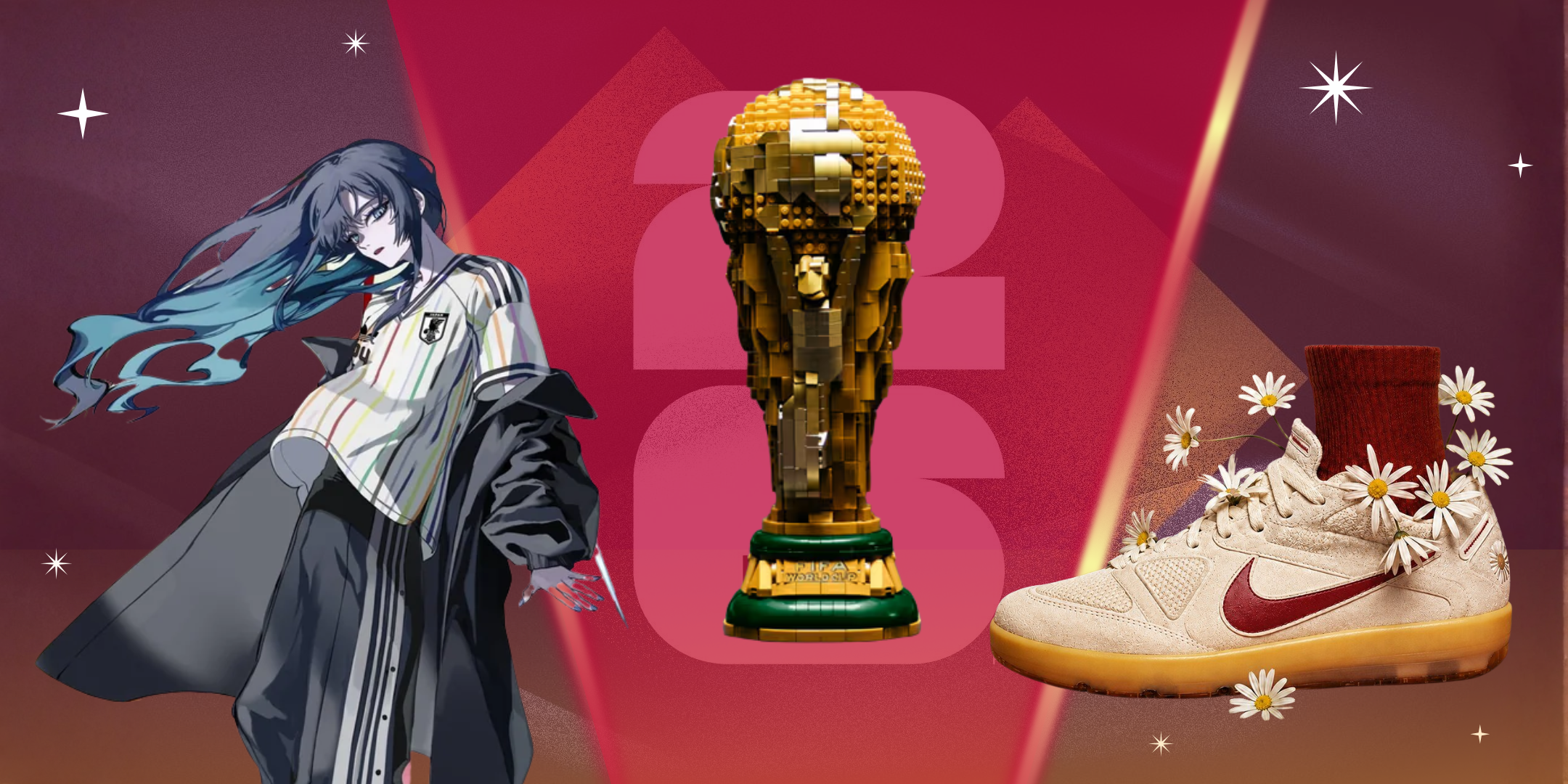
The 2026 World Cup really is for the fans—and we actually mean all the fans, not just the soccer ones. From the cinematic universes created by mainstays Nike and Adidas that weld together soccer stars and pop culture icons, to the concertification of sporting events with the first-ever World Cup half-time show, it’s easier and more satisfying than ever to enjoy the ride via shared rituals and passion points—and they might not even involve caring about the actual matches.
💡 OUR TAKE
Brands have always participated in the World Cup to court the true-blue soccer and sports fans, and it was a halo effect if the ‘normies’ happened to engage as well. The event has always been a party that brought together people with communal and high-energy fanfare—it was fun and low stakes to pop into the pub with your friends to watch a game. Even the soundtrack permeated mainstream consciousness (Ricky Martin’s The Cup of Life for 1998, Shakira’s Waka Waka for 2010) by being great pop songs and sheer omnipresence.
Fashion and music are still anchors of the event, but the catchment area for brands is now bigger. Consumers now feast from a huge spectrum of fandoms and interests, many of which cross-pollinate and rub shoulders. Brands, in order to meet consumers where they are most engaged, now need to be cognizant and thoughtful of this multi-hyphenism. For brands engaging with soccer and the World Cup, maximum cultural impact means touching many different types of consumers and sustaining their attention post-event.
It’s a no-brainer to leverage the biggest bands on earth for this. The reveal announcement for the half-time show had Coldplay’s Chris Martin, characters from Sesame Street and The Muppets (not a coincidence that these are some of the biggest kids’ IPs in the world) FaceTiming BTS. An entire 18-track official album was created, with artists from BLACKPINK’s LISA to content creators such as IShowSpeed. Masked J-pop singer Ado has a soccer jersey collaboration with Adidas and music video that channels peak storytelling from sports anime.
It almost feels like the World Cup is playing catch-up to the sports event + concert combination, which brings in the music-slash-live-events crowd, as exemplified by the Super Bowl and F1.
Soccer jerseys are one thing; fashion and luxury brands now look to be always-on. This means a longer pipeline and lifecycle of culturally rich moments—it’s one thing to imagine yourself dressed as a soccer player on-pitch, but the off-pitch ‘civilian’ possibilities are endless. Loewe and Spain’s national soccer teams’ new partnership is for off-pitch and travel wardrobes, and spans World Cups up ‘til 2030. PEACEMINUSONE, Nike, and the Korea Football Association have a streetwear collection that is said to reference blokecore (British football culture), but really embodies the most culturally resonant thing—G-DRAGON’s weird, wonderful mind. Even WAGs (wives and girlfriends—another British term popularized by soccer) are analyzed from a fashion lens and are often content creators and reality stars in themselves, with the male athletes as background dressing.
Cameos and Easter eggs, beloved for the IYKYK cache, have even spun off into multiple storylines that evoke some of the hottest topics online. The GOATs’ Goodbye, Nike’s feature-within-a-feature from Rip the Script, tapped into the intrigue and speculation around the stars’ retirement plans, which culminated in Serena Williams rounding out the cast. Ted Lasso is literally everywhere—in the Nike commercial, as well as Burberry’s “A Good Sport” campaign. The performance by JI Blue is a winking nod to fandom, as the singers and songwriter are bona fide soccer fans who also happen to be idols and musicians (members of boybands JO1 and INI, and legendary J-pop artist Taku Takahashi of m-flo).
Toy and video game companies are also taking the chance to tap into the broader culture of play. Video games such as Electronic Arts’ EA Sports FC and Konami’s eFootball are long-running soccer game IPs that include World Cup skins. LEGO’s soccer-themed playsets and Singapore pop-up aim to bring in both young and older audiences. Roblox has an official tie-up with FIFA for World Cup-themed games. Roblox creators are also adding their own (non-FIFA affiliated) World Cup and soccer spin to their games—user-generated content that will live beyond the tournament in forever games.
Given the way consumers and brands now interact, this World Cup season feels both broad and hyperlocal, with a tail that will extend to years after. Whatever activation or collaboration that emerges, the moments that have true staying power are the ones that feel most authentic—like distinct pieces of culture. When the quick solution is to market towards just the one passion point, how will you evolve the cultural playbook and stand out?
Fax, No Printer*
For those of you born before 1997, ‘fax, no printer‘ is Gen Z speak for ‘undeniable facts I agree with’
Which family pastime are Gen Zs and millennials turning into a social activity across SEA?
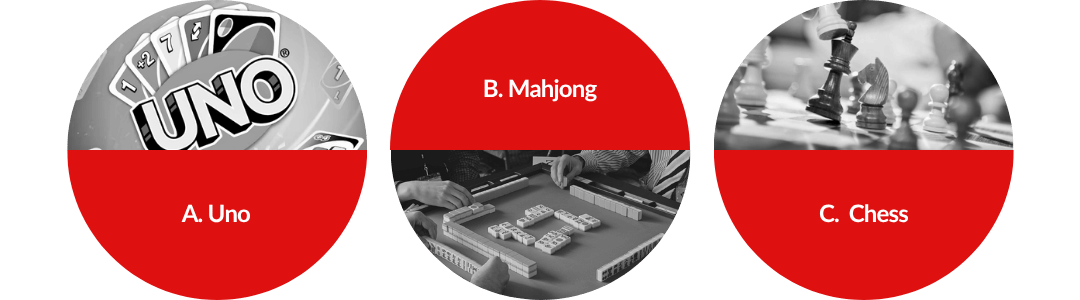
Scroll to the end of the newsletter for the correct answer!
Before You Leave


This Week's Trivia Answer
B. Mahjong
Across SEA, a 150-year-old game is being reframed as a social lifestyle format: part community night, part heritage ritual, part low-pressure offline hangout.
In the Philippines, mainstream media has been spotlighting the country’s growing mahjong scene, from grassroots tournaments to younger communities making the game feel more social and accessible. Groups like Mahjong Maven Club are hosting game nights and takeovers that position mahjong less as a private family pastime and more as a public social activity.
Singapore is seeing a similar shift. Coffee Man Coffee Roasters in Joo Chiat has launched a mahjong social club, turning the game into a casual F&B experience where a S$40 package gets players a drink, a main, and a seat at the table.
The scene is more established in Indonesia. Mahjong has long had cultural relevance in the country, particularly around New Year traditions, but newer communities are giving it a more structured social layer. Tournaments like the Indonesia International Riichi Championship have drawn players beyond Jakarta. The scene is niche, but commercially legible enough for endemic brands like Kyou Hobby Shop, Treyo, and Toko Mahjong to sponsor events.
The easy explanation would be to credit Crazy Rich Asians and that now-iconic Ann Siang Hill mahjong showdown between Eleanor and Rachel. But the bigger pattern is wider than one film moment. Around the world, traditional analog games are being rediscovered as social rituals. Mahjong communities are gaining traction in parts of the US, carrom is finding new audiences in the UK, and chess has moved from quiet study halls to the Esports World Cup with the world’s number one player Magnus Carlsen, joining eSports giant Team Liquid.
For brands, the signal is not simply that “old things are cool again.” It is that younger consumers are looking for culture they can participate in, not just consume. Heritage games like Mahjong offer something many digital trends struggle to sustain: repeatable rituals, intergenerational relevance, built-in community, and a reason to gather in real life.
This is especially useful in a region where consumers are becoming more selective with spending. If younger audiences are trading down on everyday purchases but still splurging on experiences that deliver identity, belonging, and participation, then formats like mahjong nights become more than nostalgia. They become commercial platforms for community-led engagement. The question for you now is: Which cultural rituals can your brand credibly help people keep alive?
🚀 Over and Out!
Pop culture insights are better when shared. Subscribe, forward this on, or share the love on social media. Thanks for reading!
Your Culture Mavens,
Angela, Twila, Crystal, Helena, Teri, & Vicki