

06 MARCH 2026
Welcome to this week’s edition of Culture Wire, a newsletter brought to you by Singapore-based pop culture and lifestyle marketing agency Culture Group.
In this week’s edition:
- Headline of the Week: No item too big or small for the Culture Wallet.
- Fax, No Printer: How does a century-old Taoist temple win over Gen Z
- Before You Leave: Girl groups (and Jollibee) go global, WorkTok takeover, and the creator-led marketing upswing continues
Headline of the Week
👀 WHERE’S EVERYBODY GOING?
“Revenge travel” has now become TRAVEL (all caps, no cap), as Klook’s Travel Pulse 2026 illustrates just how primed people are to take trips this year. 88% of Millennial and Gen Z travelers plan to maintain or up spends, with those in Asia Pacific 50% more likely to spend more, compared to their European and US counterparts.
At this scale, the popular image is of mainland Chinese tourists propping up overseas luxury shopping. But that would only be one facet of the 2026 Traveler. Klook’s study shows that it’s actually Singaporeans who index most highly on travel, even outspending the rest of Asia Pacific on long-leisure trips. Singaporeans are choosing experiences over just hauls, with a high willingness to spend on specific interests such as outdoor activities and theme parks.

OUR TAKE
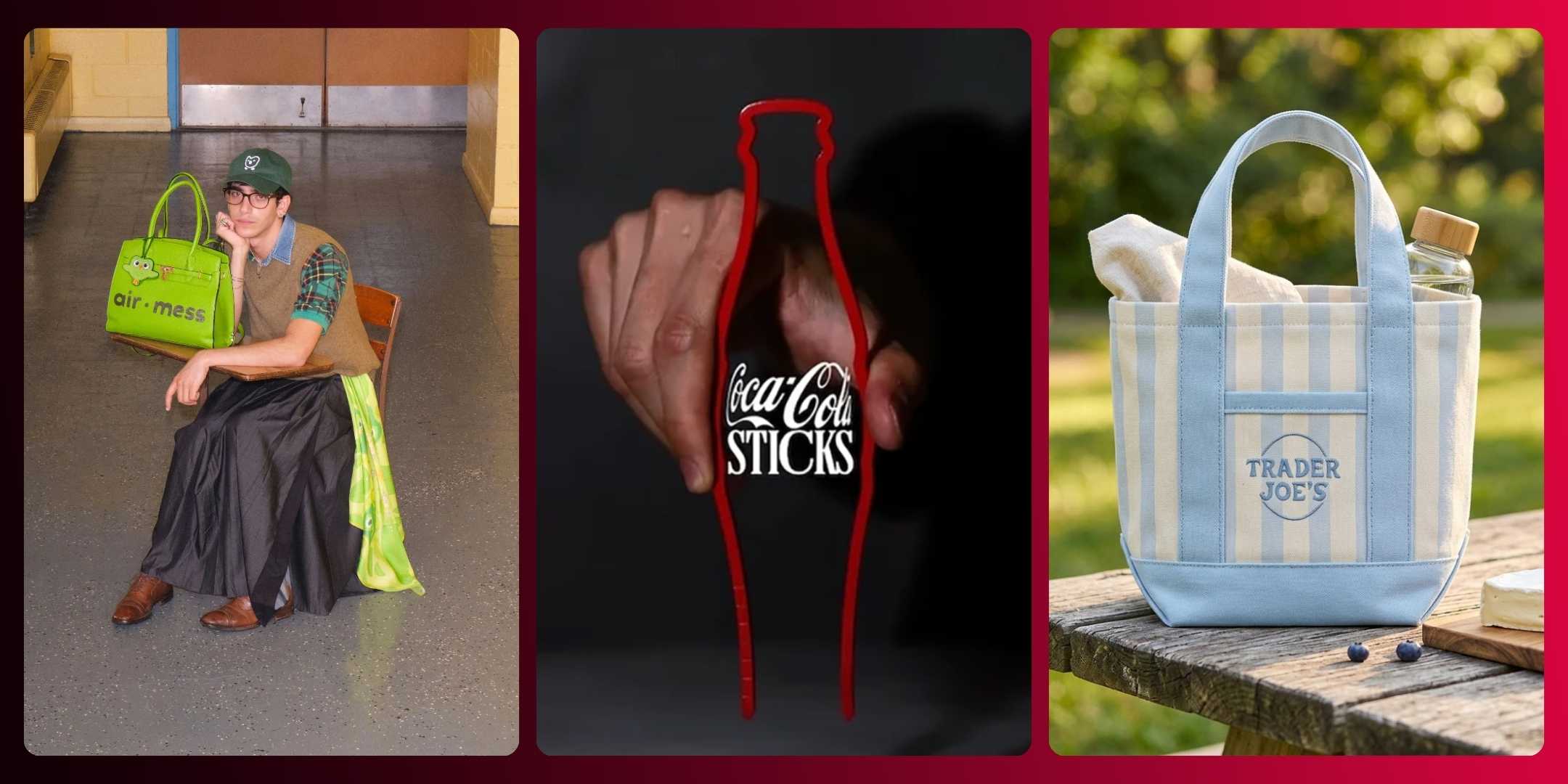
We’ve previously mentioned how consumers utilize their Culture Wallet—spending in service of their passion points to reinforce identity. Gen Z now faces economic turmoil and societal structural changes that Boomers and Gen X didn’t have to deal with, where big-ticket “I’ve made it” items (e.g., hefty mortgages) are out of consideration. What is still possible, and where Gen Z consumers are checking off the boxes, is smaller-scale luxury in the shape of hobbies and interests to self-actualize and signal identity.
This can often be beauty or clothing, which is categorized generically (and unfairly!) as non-essentials. Looking at the spending habits of Indonesian Gen Z, the largest in SEA and a market maker—they prioritize lifestyle spending (beauty and personal care come first) over essentials. They’re not just chasing one feel-good moment either. They’re actually closely examining which brands align with their personal values before purchasing.
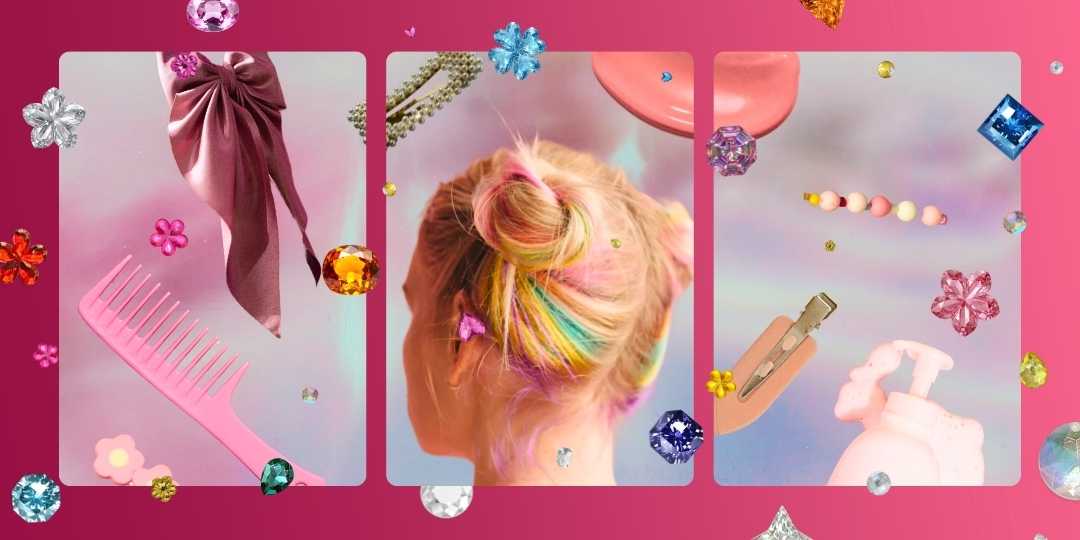
As the Culture Wallet is so closely tied to expressions of identity, young people make statements about their individuality and personal brands viscerally through small items, such as DIY charm-encrusted combs that are heavily personalized. Affordability remains important, but the size of a consumer’s Culture Wallet isn’t always directly tied to their bank account. Time and effort spent are also flexes, illustrated by how the 2026 Traveler is heavily reliant on trawling social content and AI tools to craft max-ROI itineraries. There is a clear appeal to signal IYKYK, as seen in the surge in popularity of smaller off-the-beaten-path cities.
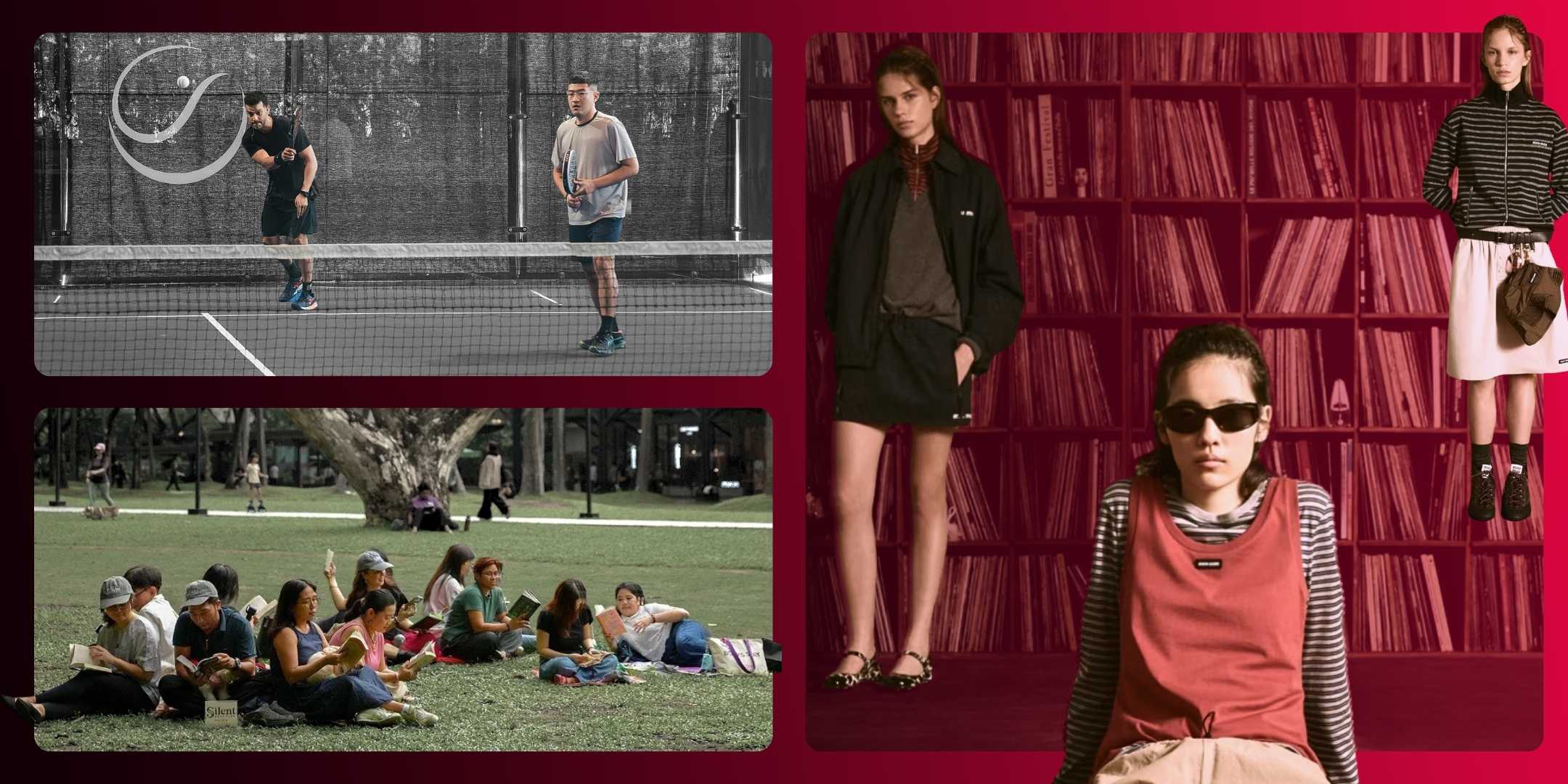
Once derided as the lowest common denominator of signalling identity, even the logo-emblazed t-shirt is now being considered with thought and nuance, in the form of merch to showcase a love of reading, small-batch bookstores, and an enthusiastic community. At the end of the day, consumers want to reflect their passion points and POVs out to the world in an authentic way. If brands show that they get this mindset, people will definitely respond.
Fax, No Printer*
For those of you born before 1997, ‘fax, no printer‘ is Gen Z speak for ‘undeniable facts I agree with’
What is a 100-year-old Taoist temple in Singapore doing to appeal to Gen Z?

Scroll to the end of the newsletter for the correct answer!
Before You Leave


This Week's Trivia Answer
C. Offering blind boxes
Hiang Tong Keng, a Taoist temple in Tampines that’s been around for over a century, introduced ‘blessings’ blind boxes for Chinese New Year 2026. The boxes, which contain a figurine of a deity, can’t be purchased. Instead, visitors make a $2 donation and receive a challenge card with questions. Three correct answers, found by exploring the temple grounds, are rewarded with a box. Visitors could collect up to four boxes across multiple days.
On the surface, this is an example of a heritage institution borrowing from pop culture. The smart part? Ensuring visitors had to engage with Taoist tradition. Chinese New Year is a moment when young people show up at the temple (typically with older relatives). Putting a twist on a familiar and popular format turns a family outing into something younger people might choose to do again, not despite the education element but because it’s woven into the fun.
This dynamic is playing out elsewhere. The wildly popular mobile game Umamusume: Pretty Derby turned Japanese racehorses into anime characters and got players hooked. After they discovered the backstories are real, many wanted to experience them firsthand. A sport that historically skewed older and male is now seeing betting numbers climb steadily, and young people travel across Japan to attend real races. An anime game did more to change the sport than decades of industry marketing. One fan compared learning about racehorses to following F1 drivers: “The struggles, the training… They have their own legends.”
Heritage brands often default to Reels and TikTok to reach younger audiences. When designed to reward genuine curiosity, pop culture mechanics can create deep engagement. What surprising format could make a new audience care about your brand or message?
🚀 Over and Out!
Pop culture insights are better when shared. Subscribe, forward this on, or share the love on social media. Thanks for reading!
Your Culture Mavens,
Angela, Twila, Crystal, Helena Teri, & Vicki