

20 FEBRUARY 2026
Welcome to this week’s edition of Culture Wire, a newsletter brought to you by Singapore-based pop culture and lifestyle marketing agency Culture Group.
In this week’s edition:
- Headline of the Week: Red envelopes, AI chatbots, and cultural relevance
- Fax, No Printer: What $170 item from Prada recently both repelled and elated consumers in China?
- Before You Leave: Flexing, collecting, and all the maxxing you need to know
Headline of the Week
🧧NEW YEAR, NEW APP
Move over, WeChat. This Lunar New Year, some of China’s biggest tech companies turned a cultural tradition into an install prompt, tying red envelope campaigns directly to their AI apps. Alibaba’s Qwen chatbot offered bubble tea at ¥0.01 as part of a ¥3 billion ($431 million) campaign, processing over 10 million orders within nine hours of launch (yes, it was chaotic for the delivery drivers). Tencent’s Yuanbao AI assistant ran a ¥1 billion red envelope promotion with users invited to share links with contacts to win cash prizes; meanwhile Baidu’s Wenxin AI followed with its own ¥500 million push.
Converting curiosity into engagement was also Duolingo’s play at the Super Bowl. The brand launched Bad Bunny 101 ahead of the rapper’s historic halftime show, encouraging fans to learn Spanish phrases from his songs. After 140 million people tuned in to the performance, Duolingo saw a 35% week-on-week jump in Spanish-language learners.
Clearly, there’s no shortage of brands inserting themselves into cultural moments. But there is a gap between using shared moments as a user acquisition funnel and actually earning a place inside those moments. Ramadan is the next test case, with global brands increasingly turning to local artist collaborations, commissioning poets, illustrators and street artists to shape the creative direction from the outset, rather than just endorse a finished product.

OUR TAKE
Tying red envelopes directly to AI tools to seed adoption at scale paid off: Qwen processed 120 million orders in six days and surged to the top of China’s App Store, while Yuanbao unseated ByteDance’s Doubao. WeChat dominated China’s app ecosystem for years. Now, these AI companies are using the country’s biggest cultural moment to come for WeChat’s crown – and not just among early adopters. Nearly half of Qwen’s orders came from county-level and rural areas, while 1.56 million people aged 60+ made their first-ever online purchase through the app. Now the bigger question is, can that engagement outlast the moment?
As we’ve previously explored, rituals (such as red envelopes) and seasons help people anchor themselves in uncertain times. But that means that the stakes for brands entering those spaces are considerably higher. Ramadan – the major cultural event for 25% of the world’s population – is a case in point. In both Indonesia and Malaysia, heartfelt family storytelling ranks as the strongest marker of authentic Ramadan advertising, above discounts, influencer campaigns, and celebrity endorsements.
Ferragamo’s Threads of Light with Emirati poet Fatima AlJarman and Lacoste’s collaboration with Indonesian illustrator Yfana Khadija Amelz (who designed the brand’s full local Ramadan campaign) are examples of brands trying to meet that bar. But this is about more than partnerships with local talent, it’s about when they’re brought in. Inviting an artist to approve a finished brief isn’t enough – when they’re involved from the start, the finished campaign gains a credibility that can’t be faked.
Brands have always inserted themselves into cultural moments. What’s changed is consumers, who are better able to spot tokenism and quicker to reject it. The seniors using AI chatbots to make purchases, the consumers who put storytelling above discounts and the surge in Spanish learners post-SuperBowl are all part of the same story: familiar moments and traditions can lower the barrier to unfamiliar brands or technologies. Of course, that all depends on the brand earning a place in the moment, rather than just showing up for it.
Fax, No Printer*
For those of you born before 1997, ‘fax, no printer‘ is Gen Z speak for ‘undeniable facts I agree with’
What $170 item from Prada recently both repelled and elated consumers in China?

Scroll to the end of the newsletter for the correct answer!
Before You Leave


This Week's Trivia Answer
B. A spoon
Prada’s limited release of a single stainless steel serving spoon ($170 / RMB1,200) in early February turned into a crucible of emotions for the online community in China. Netizens slammed the decision as an out-of-touch marketing stunt (“in THIS economy??”), and were quick to post screenshots of regular, non-luxury-branded spoons from Tmall in protest.
Amidst all the utensil hate-posts and dollar (or yuan) signs, people debated how the spoon represented a “violent collision between symbolic value and practical value”. By some metrics, Prada can chalk this up as a success: engagement and reach metrics went up, and the products were undoubtedly snapped up.
We see this as a learning moment. Luxury can no longer rely on “anything goes” tactics, especially in markets such as China, where consumers demand thoughtfulness and sincerity as part of the playbook. What was Prada’s drop trying to convey to a watchful community? What themes about the brand and heritage were broadcasted by the choice of a homeware item? The message is unclear, the product release was done in isolation, and people responded as such.
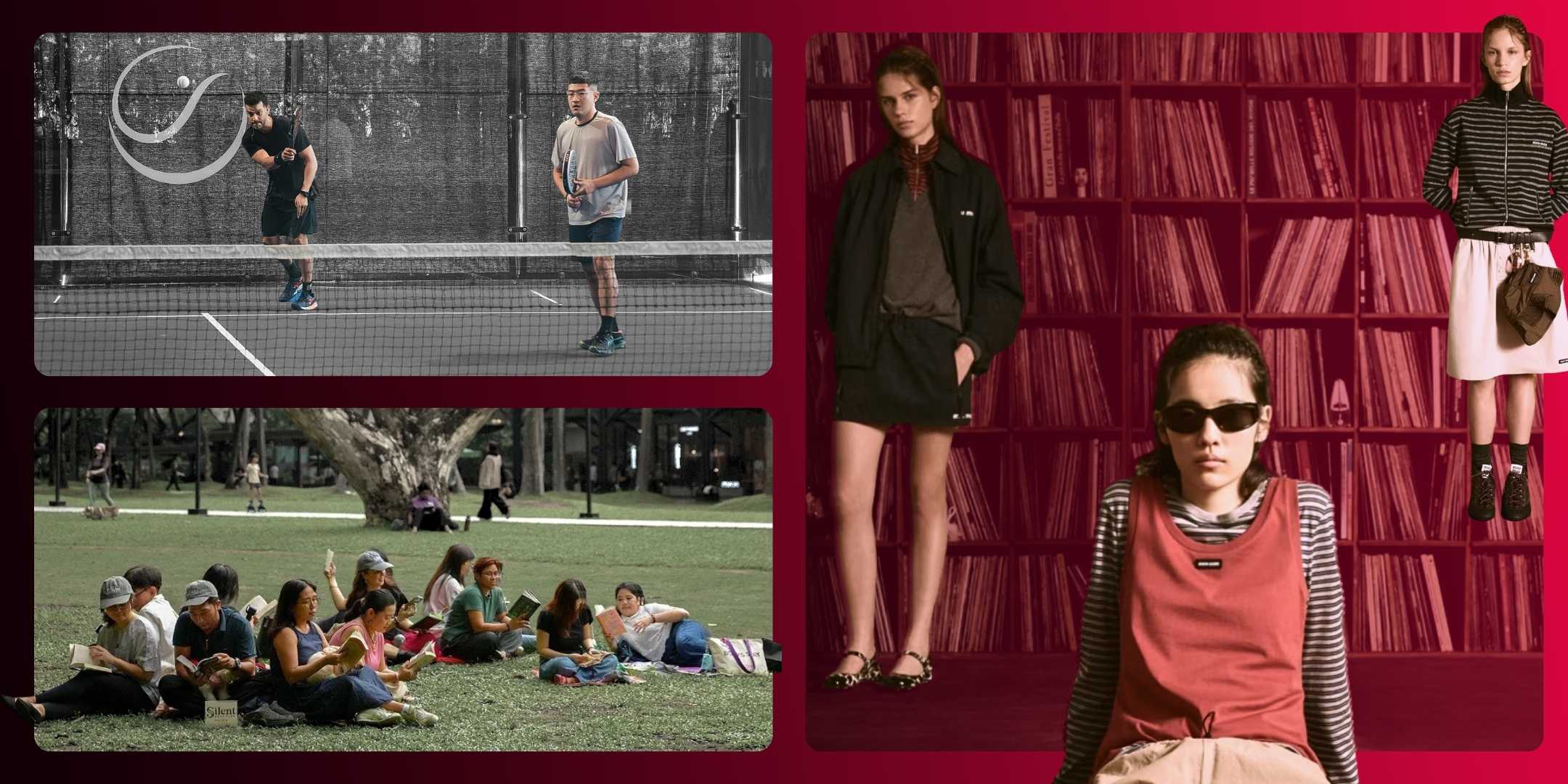
Prada’s sister brand Miu Miu has a clearer strategy on this front, with an investment in long-term community building via the Miu Miu Literary Club in Shanghai. Homegrown Chinese brands are anchoring themselves deeply in storytelling, such as with fragrance brand To Summer’s Chinese New Year campaign. We now join the Chinese luxury consumer in asking—what will Prada do next?
🚀 Over and Out!
Pop culture insights are better when shared. Subscribe, forward this on, or share the love on social media. Thanks for reading!
Your Culture Mavens,
Angela, Twila, Crystal, Helena Teri, & Vicki