

04 SEPTEMBER 2026
Welcome to this week’s edition of Culture Wire, a newsletter brought to you by Singapore-based pop culture and lifestyle marketing agency Culture Group.
In this week’s edition:
- Headline of the Week: Apparently, we’re maxxing the ROI on our vacations now, too.
- Fax, No Printer: Who’s selling out sleepovers at museums in Japan?
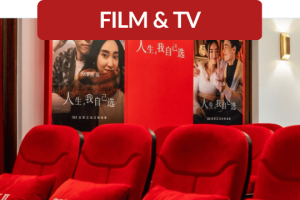
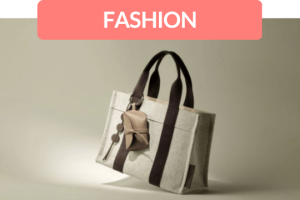
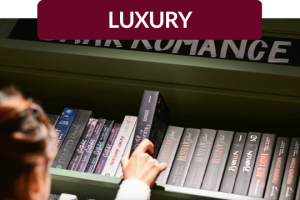
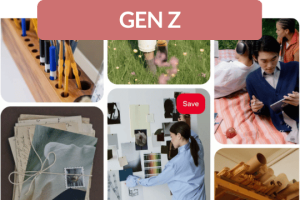
- Before You Leave: Marketing gets adventurous with storytelling through romantasy, choose-your-own-adventure films, and intentionally curated Pinterest boards
Headline of the Week
BEATS A JET2 HOLIDAY
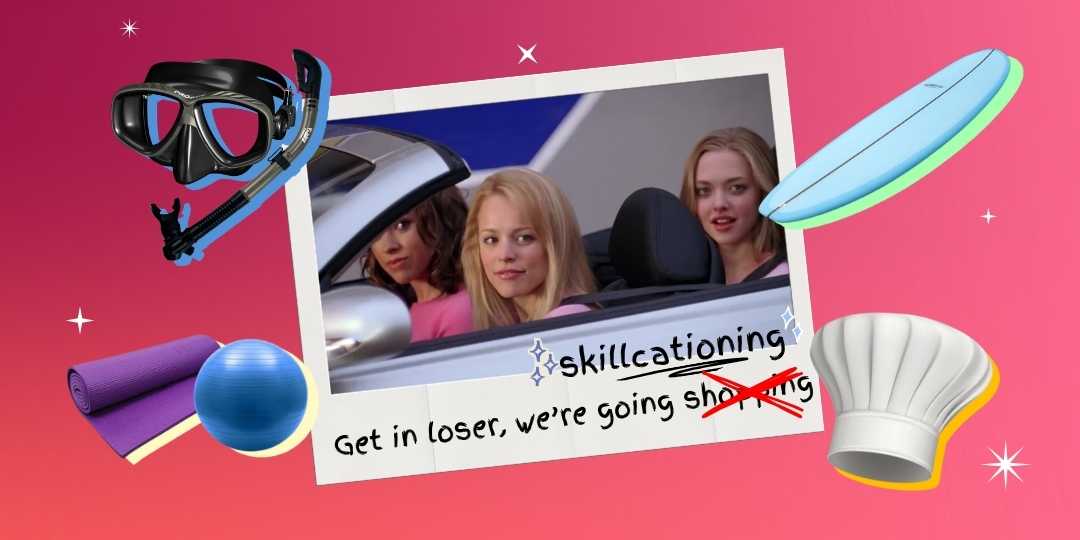
The vacation-flex, be it Dolce & Gabbana-branded hotel towels or a behind-the-counter photo with a Michelin-starred chef, has always heroed glittery objects and covetable landscapes. However, the latest travel trend applicable across mass and luxury is rooted in a desire for transformative personal growth. Especially popular with time-poor working professionals, the skillcation is a manageable one-to-two week trip laser-focused on tangible ROI — to learn a new craft or hobby.
💡 OUR TAKE
We previously discussed how the 2026 Traveler now chooses experiences over just hauls. It’s common to associate travel with seeking a sense of accomplishment or even ticking a box, especially with voluntourism and destination bucket lists. The skillcation may be the epitome of a ‘working on myself first’ mentality, to satisfy the urge to learn something hard that makes you a little bit better. Also termed ‘skilliday’, 48% of surveyed Europeans say they plan to learn a new skill on holiday, and 57% of Gen Zs already have a skill-based trip booked.
Versus checking a city or experience off the list and then forgetting about it, a skillcation often continues across multiple installments in the theme of getting the steps in to master something — often related to language, food, and crafts. 76% of people surveyed think that it’s the skills gained on a trip that are the ultimate long-lasting takeaway, more so than any purchased souvenir. Trying out surfing at a resort in Bali is one level, but intensive surf camps require commitment and create goals to strive for. Beekeeping classes in Switzerland aren’t just one-and-done, but can lead to maintaining and keeping a hive alive yourself.
Skillcations lend themselves well to solo travelers, who now tend to be older Millennials and increasingly from Southeast Asia (Indonesian travelers accounted for a 72% bump in searches for solo travel). Many of these trips actually emphasize a communal experience, which is exactly what consumers rate highest, even when traveling somewhere alone — quality time with others and learning. This can mean embedding in a local community and group of expertise, and establishing bonds with like-minded travelers.
Luxury travel and hotel brands have taken note and offer curated experiences under the label of workshops and mentorships. Imagine funneling an interest in fishing into spending time under the tutelage of local fishermen to learn about sustainable seafood practices. For non-travel brands, these themes still resonate — consumers want to focus on and associate with apprenticeship, self-improvement, and skill accumulation.
All of this can, and does, still live on social media in the form of ‘skillsflexing.’ Displays of uniqueness and value can take the form of luxury-branded objects and now also extend not just to performances of great feats of expertise and effort, but to the grueling journey. A destination marathon or HYROX tournament is the end goal, but the 0-to-1 training montage to max out stats (i.e., health) is especially important to get people invested and engaged. Brands now invest in storytelling that showcases the world behind the scenes to invite consumers to connect with the craftspeople and production processes involved.
Vacations remain the top category that people are willing to spend extra on, with entertainment at #2 and almost evenly split between out-of-home and at-home. Across digital and IRL, work mode and vacation mode, consumers want and expect a brand experience that fits and accompanies them on the journey they themselves are on. #GOALS has never rung truer.
Fax, No Printer*
For those of you born before 1997, ‘fax, no printer‘ is Gen Z speak for ‘undeniable facts I agree with’
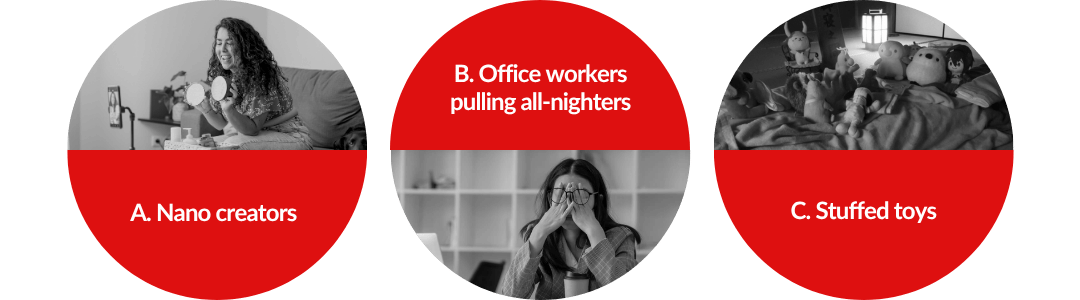
Cultural institutions in Japan are hosting overnight sleepovers. But who’s attending?
Scroll to the end of the newsletter for the correct answer!
Before You Leave

This Week's Trivia Answer
C. Stuffed Toys
When the Hikone Castle Museum in Shiga Prefecture invited people to send their plushies for a week-long stay, the invitation was a runaway success, with 122 applications for 10 spots. Guided by the castle’s mascot, the toys were photographed taking in the museum exhibits, with updates posted on social media throughout the week.
Nuikatsu — the practice of taking a stuffed toy out into the world and documenting it — has become increasingly popular in Japan, and Hikone is just the latest cultural institution to build an event around this passion point. Tokyo’s National Museum of Modern Art has previously run plushie sleepovers, with owners receiving a photobook documenting their toy’s exploits (the museum found that many kids wanted to follow in the footsteps of their beloved toys). Okada Museum and the Girls Revolution Project are planning a finger puppet version. The concept has also found its way into hospitality: a Toyoko Inn pilot that let guests rent a miniature bed and nightwear for their plushie was so popular it was expanded to 56 properties (cost, JPY 300).
So, is this just museums and brands tapping a cute practice in the hope of creating viral social media content? Sure. But in 2026, when reach might be easier to buy, and participation is increasingly difficult to earn, the smart move is to build on something people already care about. And that can draw attention towards things they might otherwise skip: only around 20% of Hikone Castle visitors currently visit the adjacent museum.
We’ve seen a similar version closer to home with the Mandai Wildlife Reserve’s Toy Doctor, the stuffed-toy repair clinic that saw people fly to Singapore to restore childhood companions (more here). Neither Mandai, the Hikone Castle Museum, nor the National Museum of Modern Art are short of ways to reach people, but they are all turning quirky and oddly specific audience behaviors into reasons to engage. What’s the nuikatsu your audience is already into?
🚀 Over and Out!
Pop culture insights are better when shared. Subscribe, forward this on, or share the love on social media. Thanks for reading!
Your Culture Mavens,
Angela, Twila, Crystal, Helena, Teri, & Vicki