

24 JULY 2026
Welcome to this week’s edition of Culture Wire, a newsletter brought to you by Singapore-based pop culture and lifestyle marketing agency Culture Group.
In this week’s edition:
- Headline of the Week: What if your favorite fictional character had a signature scent?
- Fax, No Printer: Who won the 2026 World Cup?
- Before You Leave: How entertainment, fandom, social platforms, and AI are shaping real-world decisions
Headline of the Week
👃 HEART, SOUL… AND SILLAGE?
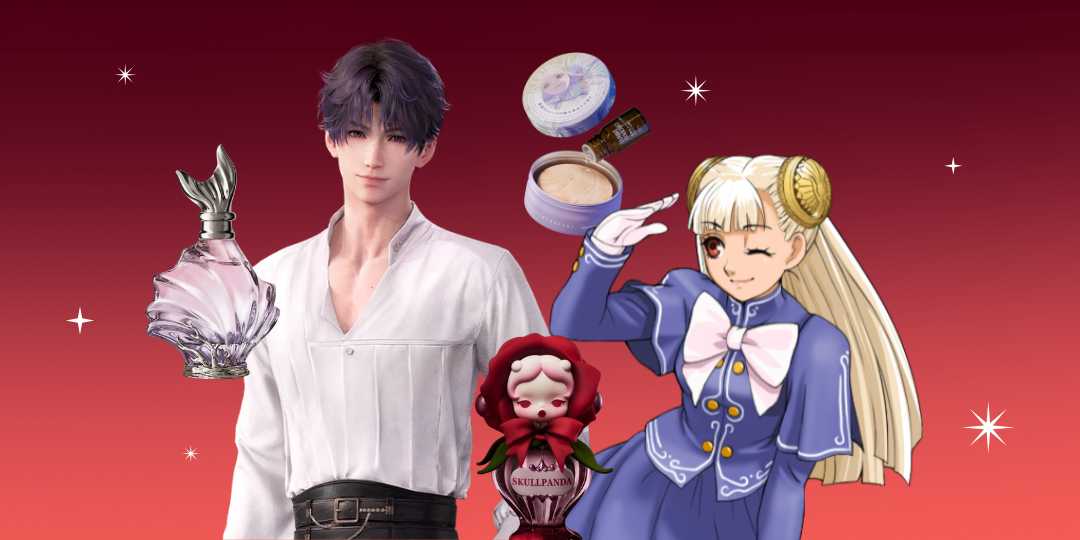
Forget Le Labo. The fragrance that’s proving hard to get across China this year belongs to Rafayel. The catch is that Rafayel is not a person. He’s a romance interest in the popular otome game Love and Deepspace. His birthday scent, a marine fougère which is fitting for a character tied to the sea, sold out across licensed platforms within minutes of its March release, with follow-ups for two more characters since.
Rafayel fans are buying a scent and a new way to belong to the Love and Deepspace universe. See also Pop Mart, which rolled its Petals in Four Acts fragrance sprays out across Singapore, Malaysia, and Thailand in April, sold (of course) with blind-box mechanics. Street Fighter 6 is also getting room scents built around individual characters.
💡 OUR TAKE
Scent marketing isn’t new. Subway and Abercrombie have long used smell to pull customers in. Hotels and airlines have filled lobbies and cabins with signature scents for decades (some of them are now available to take home). But as more of the brand experience moves onto a screen, the parts that can’t — the ones that require smell, touch, or physical presence — need to do more work. Scent has a particular staying power. It can’t be experienced through a screen, yet it’s closely linked to emotion and memory.
As shopping moves online, the physical store has become less about the transaction and more about the experience. Brick-and-mortar offers the sensory stimulation and social interaction e-commerce can’t, and shoppers want more of it — 56% of surveyed consumers seek immersive, creatively designed experiences. ION Orchard, which has diffused its own 20-note signature scent for years, has re-positioned as a cultural destination, with SEA’s first Prada Caffè and Tiffany’s first regional Blue Box Café located in the mall. Rolex is staging museum-grade exhibitions of its history while luxury houses across China are turning stores and temporary spaces into galleries.
Scent is also playing a bigger role in how Gen Z constructs and expresses identity, with younger consumers interested in scent stacking, layering multiple scents to suit their mood or the occasion. This doesn’t just apply to women – 75% of Gen Z men say they layer multiple scents. Niche fragrance brands are another way to signal individuality, taste, and membership to a particular in-the-know community. On TikTok, fragrance is something to research, collect, and purchase with knowledge accruing its own cultural capital (see #smellmaxxing or one influencer’s 100 spray rule). The irony that this is all happening via a screen will not be lost on you.
It makes sense that brands and entertainment properties want to be part of this story. FC Barcelona recently commissioned an olfactory identity: a scent ‘DNA’ developed from the club’s emotional, cultural, and distinctive attributes. Two fragrances have already been released, while an AI perfumer will allow the club to create future collections and personalized versions without losing the underlying Barça codes (for inquiring minds: the two launch scents lean on grass, bergamot, vetiver and sandalwood — a nod to the pitch but not the locker room). And with South Korean startup Deepscent able to turn moods and images into scent on demand, expect olfactory identities to become more adaptable, with custom options for launches or events.
A scent identity has a similar function to a color palette or a sonic logo because it’s an ownable set of codes a brand can keep building from. But IP fragrances go further. FC Barcelona uses scent to evoke place and memory while Love and Deepspace gets more immersive by using it to make a fictional character feel real. Rafayel’s cologne isn’t marketed as ‘inspired by’, it’s sold as something the character would wear.
For brands and IP owners, scent is an increasingly important way to reach people who are already spraying and layering fragrance as a form of self-expression. Thinking about how your brand might smell is just the start. What would wearing it allow someone to say about themselves? And who or what would it help them feel part of?
Fax, No Printer*
For those of you born before 1997, ‘fax, no printer‘ is Gen Z speak for ‘undeniable facts I agree with’
Who won the 2026 World Cup?

Scroll to the end of the newsletter for the correct answer!
Before You Leave

This Week's Trivia Answer
B. Spain…and romance fans
The relationship between players Erling Haaland and Jude Bellingham has proved to be a goldmine for a certain segment of fans. There is now an ecosystem of content, spanning memes, clips set to moody soundtracks, and fanfiction, which cover the spectrum of friends4ever bromance to Heated Rivalry: Soccer Edition.
You may not have pegged fujoshi as active participants in men’s soccer fanfare, but as we previously mentioned, the cultural reach of this year’s World Cup was the broadest ever, touching adjacent communities from music to gaming. These interests aren’t sidebars detracting from the main sporting event, but side doors opening into the cultural event which enable easier and more authentic brand engagement. Gen Zs especially, who are used to cultural fluidity and having multiple interests interact and merge, come into sports fandom this way, with 49% of Gen Z sports fans gaining interest in a new sport or athlete via a channel outside of the sport.
As we enter the post-mortem phase, brands should note what type of fans were galvanized by the event and how. The cultural playbook continues to evolve as we see that brand sponsorship increasingly does not guarantee eyeballs and engagement. Adidas is seen as the gold standard in maxing out all the correct levers this time around, but brands are still figuring out the winning mix of creator and celebrity activation. Virality may not translate into brand durability, as we now move into the post-World Cup phase.
The World Cup and other global events are mega-moments, where fans from across the spectrum converge. The binary definition of fan, casual vs hard-core, can no longer hold all the different ways fans engage with and show up for their interests. Meltwater reported that the World Cup generated 1.5 trillion total reach in APAC across seven days, and highlighted that in the Philippines, the BTS half-time show contributed to a significant part of the discussion.
For another upcoming sports mega-moment, the 2028 Olympics, Gen Z interest currently hovers at only 23% engagement. In terms of building relevance and resonance with fans, old and new, it is clear that there are plenty of side doors brands should be looking to partner with, be it K-pop, Beckham, or even Love Island.
🚀 Over and Out!
Pop culture insights are better when shared. Subscribe, forward this on, or share the love on social media. Thanks for reading!
Your Culture Mavens,
Angela, Twila, Crystal, Helena, Teri, & Vicki