

10 JULY 2026
Welcome to this week’s edition of Culture Wire, a newsletter brought to you by Singapore-based pop culture and lifestyle marketing agency Culture Group.
In this week’s edition:
- Headline of the Week: The creators are in the boardroom.
- Fax, No Printer: Which SEA market has gone almost all-in on local artists?
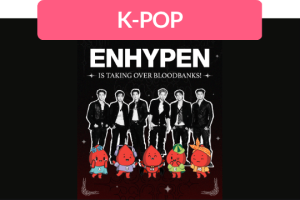
- Before You Leave: How SKIMS, ENHYPEN, and Bank of America turned fans into participants
Headline of the Week
👯♀️ ARE WE ALL JUST CREATOR-MAXXING?
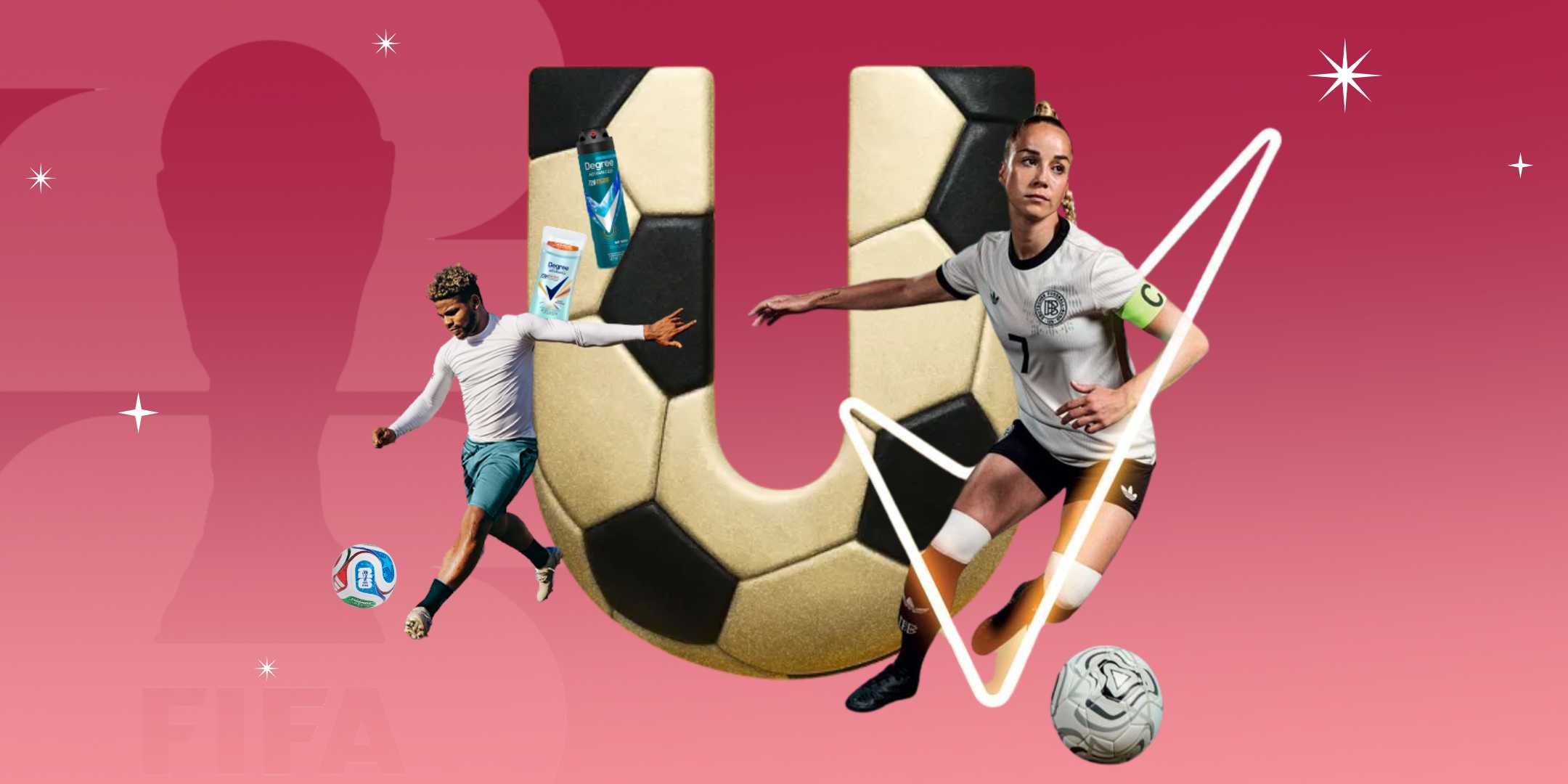
The World Cup has never been more star-studded (covered in a previous Culture Wire), as Capital-F Famous People from across fandoms converge to celebrate one of the biggest global cultural events. So imagine the size of Unilever’s content creator Rolodex as the official personal care brand of this year’s World Cup announced it’s adopting a “Super Bowl every two days” marketing strategy. The brand has partnered with 50,000 creators worldwide across online and offline activations and campaigns, ranging from big-name athletes to micro-creators.
Once viewed as simple amplification channels for whatever direction agencies were hired to push, creators now seem to be center stage, with a seat at the table at the start of a brand’s creative funnel. Is this the dawn of a new era?
💡 OUR TAKE
Have we really arrived at Creator 2.0? Maybe the more interesting development is not that brands are just talking about creator-maxxing, but that heavy-hitters are investing in and scaling more diverse voices in communities and fundamentally retooling the marketing production process to bring creators to the drawing board.
Unilever operationalized this with a Cannes Lion stamp of approval in the creative process for the 2025 Bronze Lion-winning Part of the Game with Arsenal Football Club. The campaign message was completely overhauled based on the input of Arsenal Women’s athlete-creators, which speaks to the trust placed in the creators as the credibility sign-off. Unilever Global CMO Leandro Barreto stated that this new SOP, in which creators are recognized as voices of authenticity, double-team with agencies, and don’t just act as spellcheckers, required a shift in “relationships [and] control”. This might be an understatement, as the company now works with 30x more creators versus just two years ago, with a roster of 300,000 creators.
Brand-building has always meant partnering with different stakeholders: the classic celebrity spokesperson for clout, and a movie tentpole or IP for scale and to get the word out. As the new generation of YouTube talent gains name recognition and starts commanding dollars, these creators are now celebrities to which proximity is coveted (however mundane-seeming).
A big name doesn’t always equate to credibility, though. Celebrities and mega-influencers can be seen as Too Big To Trust. Brands are increasingly engaging with micro-creators and voices in micro-communities to build trust with consumers from the ground up. Nano-creators (1K-10K followers) in APAC are spotlighted for having higher engagement rates across platforms than macro-creators, with trust and authenticity cited as the top reasons consumers engage with creators in the first place. Visa even terms smaller creators as micro-SMBs, a fast-growing category in the USD 135.2B (2023) APAC creator economy.
Sports brands are especially active in doing so by engaging with amateur and niche sports communities. Nike, in its battle against growth headwinds, is tapping into smaller-scale creators and communities to reposition itself and build influence. In fact, Nike and other previously entrenched multinational brands already face heightened competition in China, where key local brands are seen as more culturally connected and anti-generic. In South Korea, the popular Private Road Running Club positions itself as a community “for not only running but Korean culture across the board”, and brands must engage with it in ways that feel authentic and enrich people’s daily routines. As even these communities become more diverse, there’s growing demand for non-sports and non-performance-based brands to engage with these running groups in accessible ways.
The ways brands and creators work together are ever-evolving and increasingly corporatized, but one thing remains evergreen: how can one stay relevant and build in the culture? One marketing strategy doesn’t guarantee lasting cultural stickiness. Which communities has your brand been engaging with, and how are you crafting the brand story together?
Fax, No Printer*
For those of you born before 1997, ‘fax, no printer‘ is Gen Z speak for ‘undeniable facts I agree with’
Which SEA market has seen local acts go from a minority to 97% of its weekly Spotify Top 10?
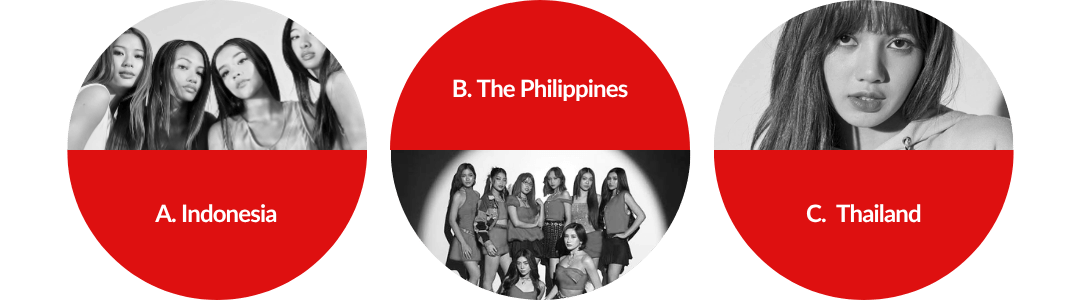
Scroll to the end of the newsletter for the correct answer!
Before You Leave
This Week's Trivia Answer
A. Indonesia
According to data compiled by Soundcharts, the share of local artists in Spotify’s weekly top 10 grew from 39% to 97% between 2021 and the first half of 2026. And with the Philippines and Thailand seeing growth too (31% to 81% 🇵🇭, 71% to 76% 🇹🇭), local is now a norm, not an exception. While we’ve tracked how local SEA talent is reaching the world, there’s another shift here: homegrown acts are displacing K-pop and Western pop artists on playlists across the region.
Malaysia shows how complex this shift can be. Local acts make up about 8.3% of the weekly Spotify top 10, but regional acts account for 45.7%. Malaysians may not be choosing homegrown music at the same rate as audiences in other SEA countries, but they are embracing their neighbors’ sounds, particularly Indonesian artists and genres. Cultural proximity is important: Malaysia and Indonesia share enough language and culture that Indonesian acts travel well. So rather than one big regional market, ‘SEA for SEA’ is a set of overlapping ones.
Homegrown pop culture is something governments and brands are increasingly investing in. Just last week, the Philippines named BINI—the first all-Filipino girl group to play Coachella—its official tourism ambassadors. Mastercard and TikTok’s SoundOn recently launched Artist Accelerator SEA, supporting emerging local musicians in Indonesia and Thailand through mentorship, live performances, digital music education, and fan engagement. In both cases, cultural credibility is being built closer to home: giving local artists the support and visibility to grow locally before traveling further.
Even in Singapore, where Western pop and K-pop still dominate, Dear You, a Teochew-dialect film, sold out its original-language screenings, prompting regulators to relax a rule requiring Chinese films to screen in Mandarin. In a country where dialects have faded from daily life, this was an emotional pull and a way to reconnect with an increasingly distant inheritance.
Even as credibility shifts closer to home, ‘local’ becomes harder to define. It can mean homegrown acts, neighboring cultures, or inherited languages and traditions. So rather than considering whether to ‘go local’, consider which version of local actually carries meaning.
🚀 Over and Out!
Pop culture insights are better when shared. Subscribe, forward this on, or share the love on social media. Thanks for reading!
Your Culture Mavens,
Angela, Twila, Crystal, Helena, Teri, & Vicki